
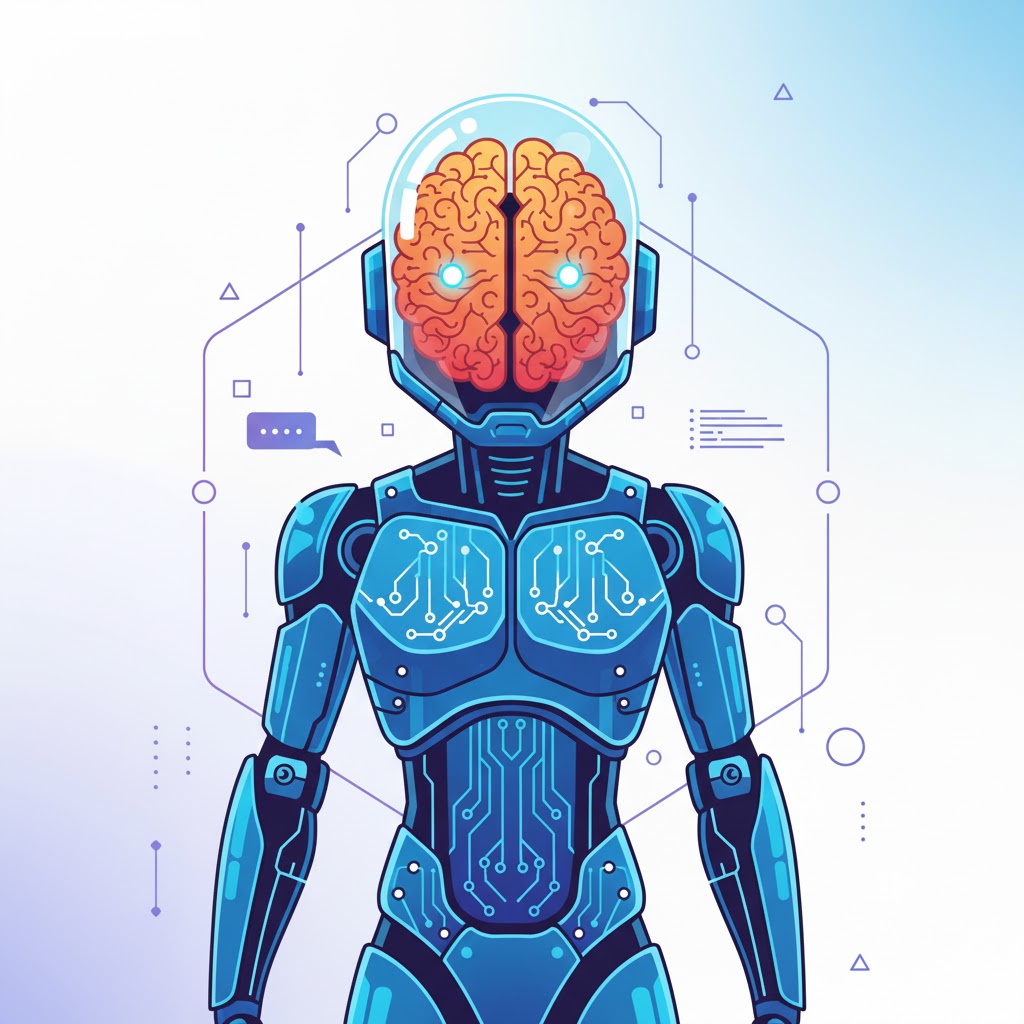
The 30% Rule in AI: Balancing Technology and Human Potential
The 30% rule in AI represents a fundamental principle for sustainable workplace integration. This rule states that artificial intelligence handles approximately 70% of repetitive, data-driven tasks, while humans retain the remaining 30% of work that requires critical decision-making, creativity, and ethical judgment.
This philosophy ensures technology augments rather than replaces human workers. AI excels at automation—handling data entry, scheduling, analysis, and routine processes with precision and speed. Meanwhile, humans bring irreplaceable qualities like emotional intelligence, complex problem-solving, and innovative thinking that machines cannot replicate.
The 30% rule emphasizes maintaining human-centered work environments. As AI takes over monotonous tasks, employees redirect their energy toward strategic initiatives, customer engagement, and creative endeavors. This creates a symbiotic relationship where technology amplifies human capabilities rather than eliminating them.
For career development, mastering AI tools while cultivating uniquely human skills is essential. Professionals who combine prompt engineering and analytics expertise with empathy and communication abilities will thrive in the AI-driven future. The 30% rule ultimately signals that the future of work isn’t about AI versus humans—it’s about humans empowered by AI, creating more fulfilling, productive workplaces where technology serves humanity’s highest potential.