Grammarly is now Superhuman.
On Wednesday, the vendor behind the writing assistant platform formerly known as Grammarly revealed that it is rebranding from a writing system to a suite that includes Grammarly, a collaborative workspace program, an AI-native inbox, and a new agentic platform called Superhuman Go, all of which are available today.
The name change comes nearly a year after Grammarly acquired Coda, the developer of the workspace platform. The vendor also acquired Superhuman, then an email application vendor, in July. Shishir Mehrotra, who was CEO of Coda, became the CEO of Grammarly and now Superhuman.
“We just really see a world well beyond grammar and writing assistance to truly becoming the most proactive and ubiquitous AI,” said Luke Behnke, VP of enterprise product at Superhuman.
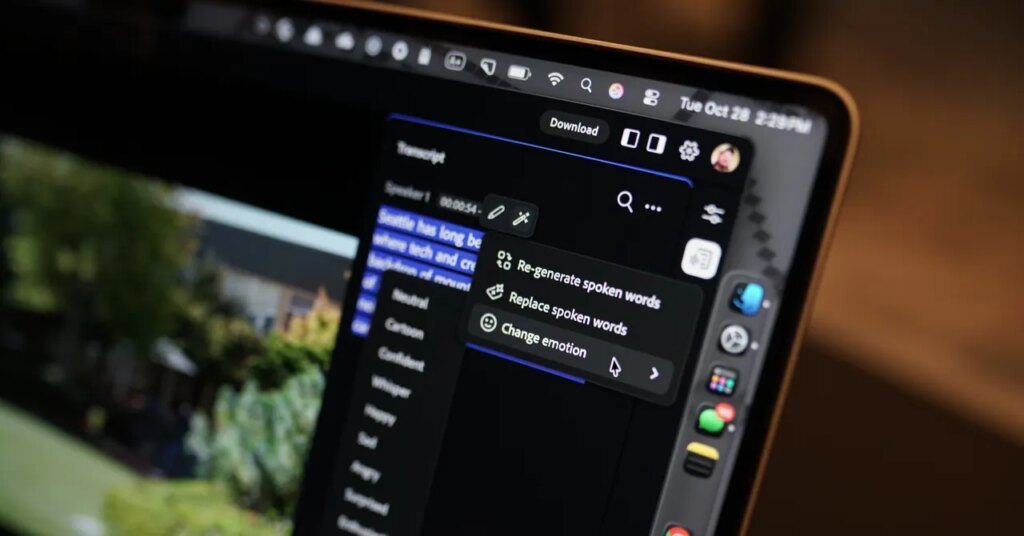
In addition to the new name and becoming a product suite, Superhuman said that it now has a team of AI agents within the suite to assist users in writing, researching, anticipating feedback, automating tasks and scheduling meetings.
Like Grammarly, Superhuman Go works in every application and tab, the vendor said. The agents can help users brainstorm, send emails and schedule meetings.
“Superhuman’s platform is just a different paradigm,” Behnke said. “You’re just working and it’s aware of what’s happening on your screen, it’s aware of the context of where you’re working, it’s just coming to you with suggestions, with ideas, with answers, with help without you having to really prompt it.”
An expected change
The change is desperately needed, said Shelly Kramer, founder and analyst at Kramer & Co.
“People know and love Grammarly; they feel comfortable with Grammarly,” Kramer said. However, numerous platforms, such as Google Workspace, Microsoft Copilot and Writer, already have a writing assistant or are developing one.
The new Superhuman Suite also addresses a significant challenge with workspace apps: users can become confused due to the numerous apps that serve distinct functions.
Therefore, having an open app-agnostic platform is compelling, Kramer said.
She added that the strength of Grammarly — watching what users are doing and helping with writing style and grammar on any app– will transfer over to Superhuman.
“This layer can help eliminate what we call the context gap by understanding … your preferences across all of the platforms you use, not just in one ecosystem,” she said. “That AI layer sitting on top of things and not trying to be a replacement suite [is beneficial].”
The vendor is not asking users to change what they use as their productivity suite, but working with that productivity suite will help with adoption.
Some challenges
With an AI tool that follows users from one app to another, some users may be concerned about their privacy.
Grammarly, though, is known for its focus on security, Kramer said.
“The onus remains on Superhuman to continue to educate about its focus on security and to address those kinds of concerns that people might have regularly, don’t just assume people feel secure,” she said.
Superhuman said it has invested in infrastructure that stores the data it reads on a user’s screen, runs it through generative AI models, and then deletes it.
The vendor stated that it also doesn’t work in password-storing apps, and users can always disable Superhuman in areas where sensitive information is present.
Since Superhuman won’t control underlying work platforms like Google or Microsoft, it might be vulnerable to API changes, Kramer said.
“It’s a control thing,” she said, adding that since Superhuman doesn’t own the APIs. it depends on those APIs to be functional. “They rely on those APIs to be able to access what they need to access.”
Also, Superhuman, as a platform that goes beyond just writing help, faces numerous competitors. Direct competitors include Microsoft Copilot, Google Duet AI, Notion, and Zapier. Adjacent competitors include Monday.com and Salesforce.
“This is a very crowded space,” Kramer said. Moreover, there is a risk to Superhuman that Microsoft, Google and others could easily build similar capabilities within their ecosystems.
But Kramer said Superhuman’s gamble has a chance of succeeding.
“They are wagering that being a platform-agnostic AI orchestration suite is more valuable than owning the whole productivity suite itself and trying to get people to walk away from whatever productivity suite they might be using or thinking about using and go all in with them,” she said.
The Superhuman suite is $12 a month for individual users who choose the annual subscription. Superhuman also offers a business tier that includes Superhuman Mail, as well as other Superhuman products, and an enterprise tier.