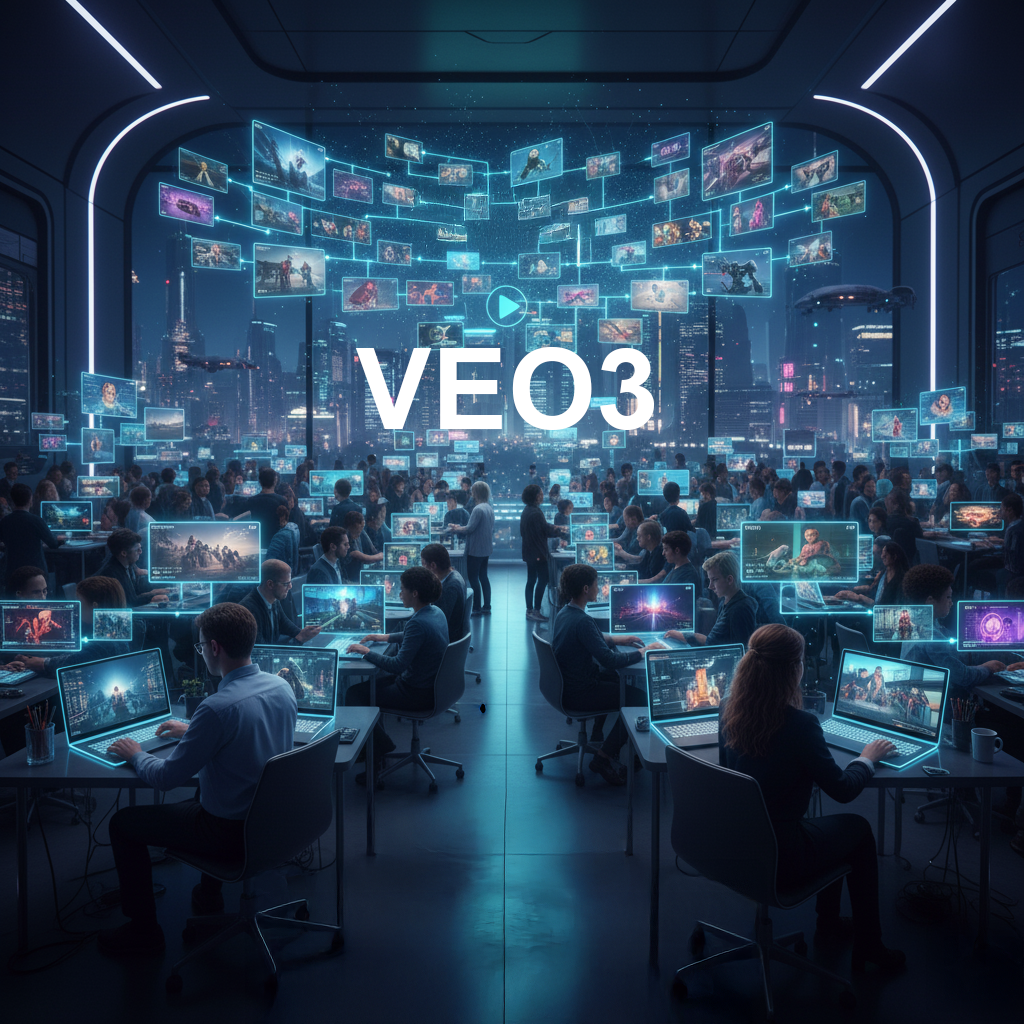
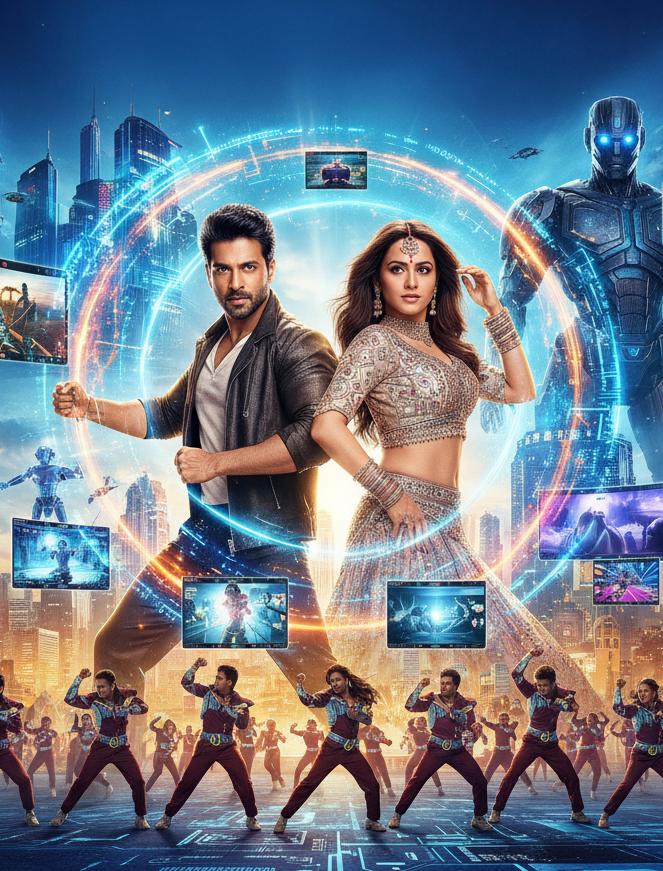
The roar of camera lights, the clang of set pieces, the swirl of costume and choreography — Bollywood is known for spectacle and emotion. But behind the scenes, a quieter revolution is underway: AI. Filmmakers are now using AI for everything from story-boarding to VFX, editing to marketing. The aim? Cut cost, boost speed, reach global viewers — all while maintaining (or even elevating) the show.
1. Where AI is Live in Film-Making
Pre-production & Story-boarding
AI tools are helping to accelerate visual planning. For example, converting what once took days into hours: in one case story-boarding that would take 7–10 days now gets done in 8–10 hours. The Economic Times+1
Using AI, production teams can test camera angles, lighting, set design and even virtual scenes before physical shooting begins.
Post-production & Editing
AI is increasingly used to streamline editing, VFX, dubbing and subtitling. According to a report, Hindi-film makers estimate AI tools currently help save 20-25% of the time in post-production tasks.
In the next few years, that saving could jump to 40% of time and 25-30% of cost in film-making.
Marketing & Distribution
AI isn’t just behind the camera — it’s behind the screen too. Studios use algorithms to analyse social-media trends, tailor trailers and pick release dates for optimal impact. Storyboard18+1
These data-driven decisions help films reach more targeted audiences and potentially improve ROI.
2. Real Stats & Developments
- The use of AI tools in Hindi-film production is estimated at 15-20% of makers today; in the next 2-3 years this may rise to 40-50%.
- A major global study found that AI-based language tools analysed decades of Bollywood and Hollywood film subtitles to uncover social-bias trends — showing AI’s role even in cultural research. CMU School of Computer Science
- Legal challenges are mounting: hundreds of AI-generated Bollywood-style videos (some misleading) with over 16 million views were removed from YouTube after investigation. Reuters+1
3. Why It’s Important for Bollywood
- Cost & Time Efficiency: With high production expenses (shooting days, locations, VFX), any time saved means money saved — and AI is delivering.
- Creative Freedom: By automating grunt-work (e.g., selecting takes, clean-ups), filmmakers can focus more on story, direction and emotion.
- Global Reach, Local Touch: As Indian cinema targets wider audiences (OTT, international markets), AI helps fine-tune language, dubbing and region-specific marketing.
- Competitive Advantage: As production values rise worldwide, Bollywood needs tools to keep pace — AI offers that ladder.
4. Key Challenges & Ethical Issues
- Authenticity vs Automation: Critics question whether AI-generated scripts, visuals or characters can preserve the human nuance that Bollywood thrives on.
- Job Displacement Fears: As AI takes over editing, dubbing and visual tasks, technicians and specialists worry about their roles.
- Deepfakes & Mis-use: The industry is already facing fake videos, manipulated clips and unauthorised use of stars’ likenesses — creating reputational and legal risks.
- Copyright & Training Data: AI models often require huge troves of footage or audio — which may include copyrighted material. Bollywood groups are lobbying for clearer rules.
- Access & Scale: Smaller studios may lack budgets or tech-skills to adopt AI tools — raising the risk of a “rich-studio / poor-studio” divide.
5. What the Future Looks Like
The next few years could bring even more radical changes:
- Virtual sets and deeper virtual production that reduce location costs and environmental impact.
- AI-powered character de-aging or legacy actor recreations (already in nascent form).
- Personalized film or trailer experiences where AI modifies elements for different audience segments.
- More advanced analytics predicting box-office performance, cast chemistry, script success metrics.
- A stronger push for regulation, rights management and ethical frameworks to protect creativity and identity.
Conclusion
Bollywood is standing at an inflection point — one foot firmly in tradition, the other stepping into the machine-age of story-telling. AI is not replacing the magic of song, dance and drama; rather, it’s equipping the industry to tell bigger stories, in less time, for a broader audience. But as with any transformation, the leap comes with questions — of craft, control, fairness and identity. For those tracking the collision of entertainment and technology in India, this is one of the most exciting chapters yet.